Visivra Official Website › Blog › Visivra Bilberry Dose
What is the Visivra bilberry dose in mg?
The Visivra bilberry dose is another number the label leaves out. This page sets out what the label says, the two amounts that modern trials used, and the old night-vision story that did not hold up.
Quick answer
The Visivra bilberry dose is not published. The label names bilberry extract and prints no milligram figure. Modern trials used 240 mg a day for twelve weeks and 480 mg a day for eight weeks. Those figures belong to the trials, not to this capsule. The night-vision claim failed placebo testing.
- Bilberry extract is the third of six named actives (Vaccinium myrtillus).
- Amount on the label: not printed.
- Trial amounts: 240 mg a day for 12 weeks (84 days) and 480 mg a day for 8 weeks (56 days).
- Reported effect in those trials: ciliary-muscle function and eye fatigue, not night vision.
- No upper intake limit is set, and the trials reported no notable adverse events.
Compare the label with the trials
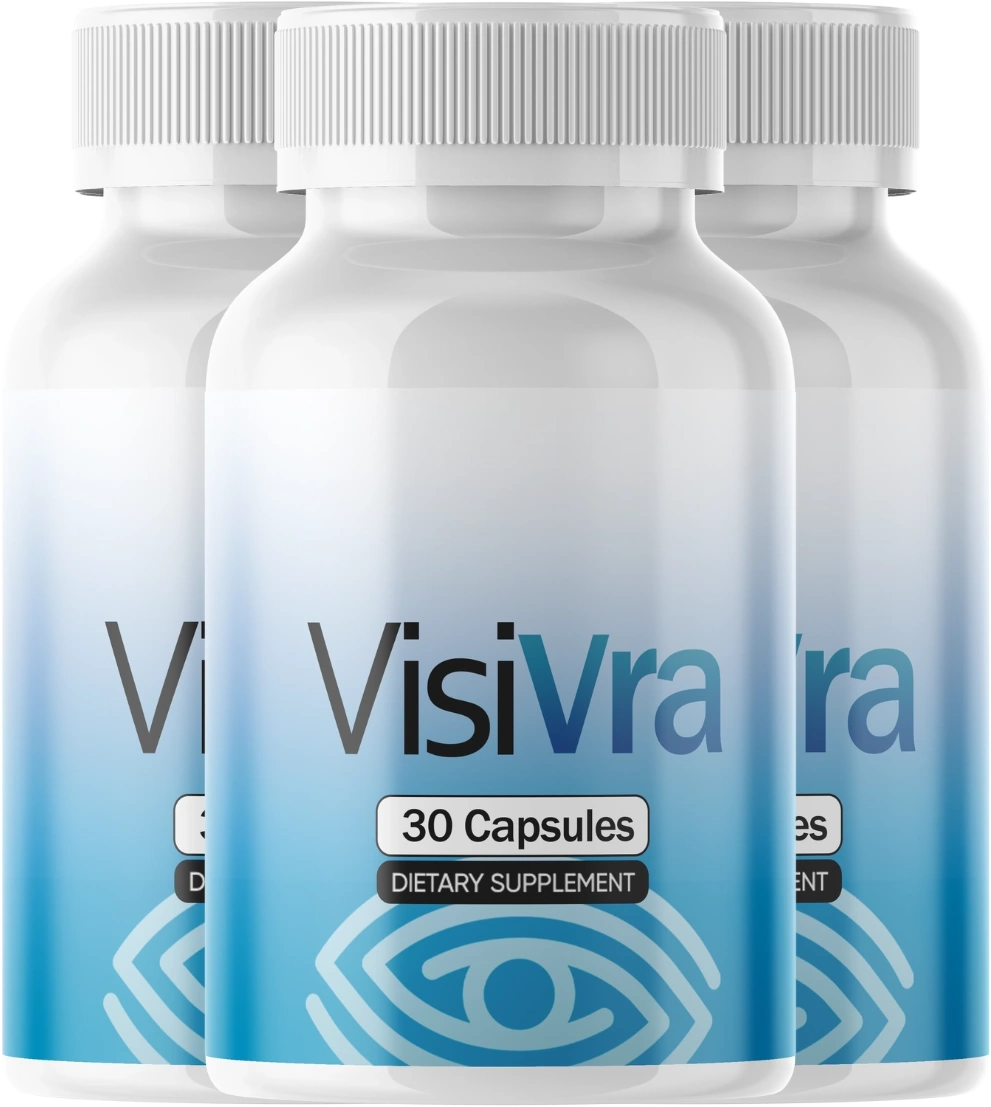
The order page shows the pack and the 60-day guarantee. The trials above ran 84 days and 56 days, so pick a pack length that fits how you want to test.
See today’s price and guaranteeDisclosure: Govisivra earns money when a reader orders through this button. Prices were read from the seller’s page on September 19, 2026.
What is the Visivra bilberry dose on the label?
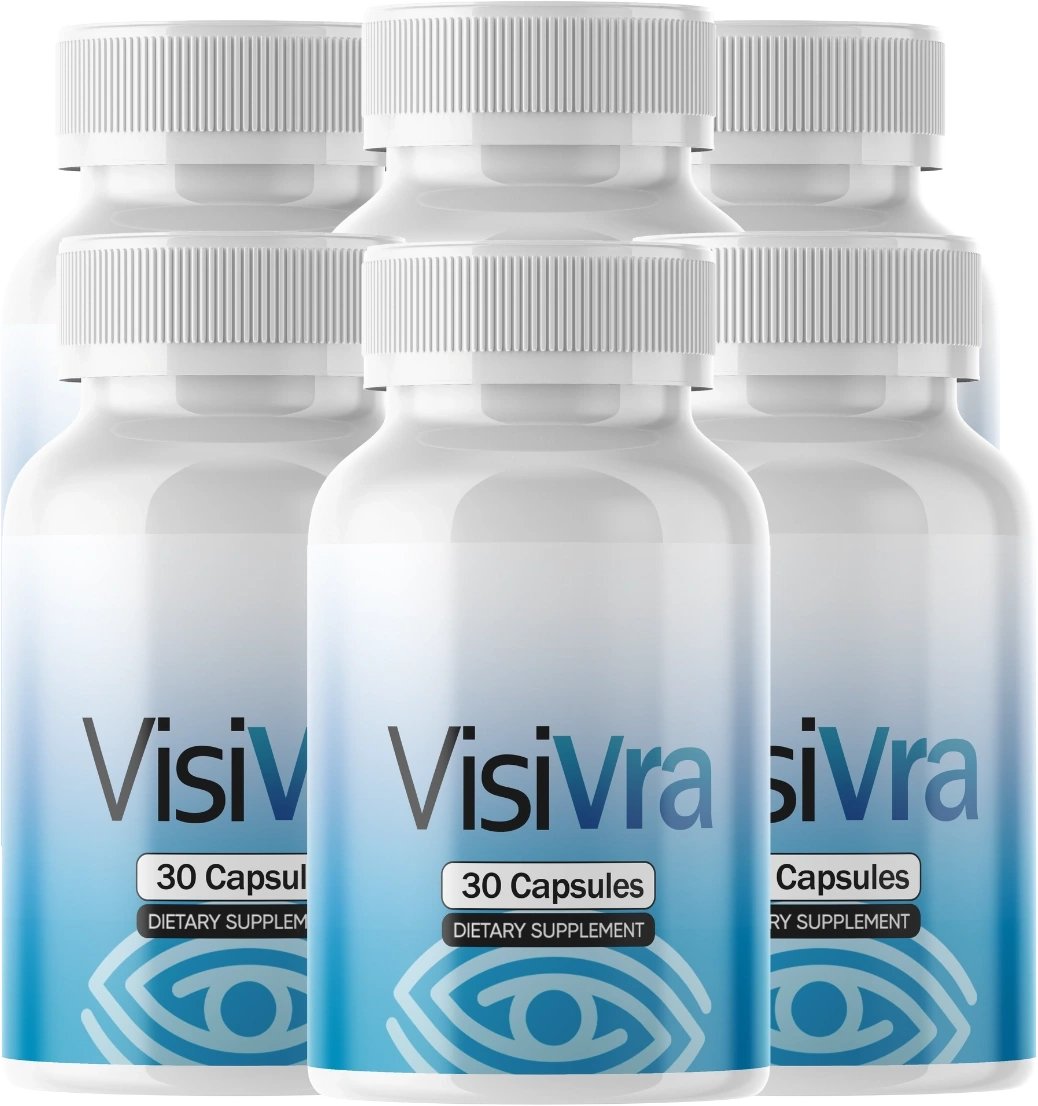
No dose is printed. The artwork lists bilberry extract, with its plant name Vaccinium myrtillus on the vendor tile, and gives no milligram figure. There is no serving size and no Supplement Facts panel to look in.
The extract is also not described. Trials use extracts standardised to a measured level of anthocyanins, the purple pigments in the berry. The Visivra label does not say whether its extract is standardised, or to what level.
How does the Visivra bilberry dose compare with the trial doses?
Two modern trials are cited on this website. One gave 240 mg a day for twelve weeks and measured improved ciliary-muscle contraction. The other gave 480 mg a day for eight weeks to screen workers and measured lower eye fatigue.
| Trial | Dose a day | Length | Days | Total over the trial |
|---|---|---|---|---|
| Ciliary-muscle trial | 240 mg | 12 weeks | 84 | 20,160 mg |
| Screen-worker study | 480 mg | 8 weeks | 56 | 26,880 mg |
| Visivra capsule | Not published | - | - | Not published |
Totals are the daily dose multiplied by the days. The Visivra row is empty because no figure is published.
The second trial used double the dose for two thirds of the time. So the two results cannot simply be added together. Both are about comfort and muscle function in the eye, and both are small trials.
Did bilberry ever help night vision, whatever the Visivra bilberry dose?
The story is old. It is a wartime tale about better sight in the dark, and it is the reason many buyers look for bilberry at all.
A systematic review of placebo-controlled trials looked at it. The positive results were the uncontrolled ones. When a placebo group was used, the night-vision claim did not hold. Our post on the bilberry and night vision story goes through the review in more detail.
So the Visivra bilberry dose is better read against screen comfort than against seeing in the dark. The label does not claim night vision either. Its listed supports are visual clarity, healthy retinal function, long-term eye wellness and help defending the eyes from blue light exposure.
Is the Visivra bilberry dose the same as eating blueberries?
No. Bilberry is the European Vaccinium myrtillus. It is related to the cultivated blueberry, but not the same, and it carries a higher anthocyanin load. Trial extracts are standardised to those anthocyanins. A handful of fruit is not.
That is why a milligram figure for an extract is not interchangeable with a weight of berries. If someone says a capsule holds the equivalent of a bowl of fruit, ask them for the extract amount and its standard.
Is there a safety limit for the Visivra bilberry dose?
None is set. The two trials reported no notable adverse events at 240 and 480 mg a day. No upper limit does not mean no limit exists. It means the evidence has never been large enough to derive one.
Bilberry is one of the quiet names on the label. The two to check are zinc and vitamin A, which our ingredients page and the side effects page cover. Talk to your doctor before starting any supplement, especially if you take other medicines.
How long should you test a product with this Visivra bilberry dose?
The trials give a rough guide. Eight weeks is 56 days. Twelve weeks is 84 days. A two-bottle pack covers 60 days, so it clears the eight-week trial but not the twelve-week one. A three-bottle pack covers 90 days, which clears 84 days with 6 days to spare.
The guarantee window is 60 days from the purchase date, and transit time sits inside it. So the refund window ends before the longest trial length is reached. Plan for that. If you want a full twelve weeks, accept that the last month is after the refund window has closed.
Frequently asked questions
What is the Visivra bilberry dose?
It is not published. The label names bilberry extract and prints no milligram figure or serving size.
What bilberry dose did trials use?
One trial used 240 mg a day for twelve weeks. Another used 480 mg a day for eight weeks in screen workers.
Does bilberry improve night vision?
A systematic review of placebo-controlled trials found the positive night-vision results were the uncontrolled ones. The claim did not survive testing.
Is bilberry the same as blueberry?
No. Bilberry is the European Vaccinium myrtillus and carries a higher anthocyanin load. Trial extracts are standardised to anthocyanins.
Are there side effects of bilberry extract?
The two trials cited reported no notable adverse events at 240 and 480 mg a day. No upper intake limit is set. Talk to your doctor if you take other medicines.
How long should I take Visivra to judge the bilberry?
The trials ran 56 and 84 days. A three-bottle pack covers 90 days. The guarantee window is 60 days from purchase.
Test it for a full twelve weeks
Three bottles cover 90 days, which is longer than the 84-day bilberry trial. The refund window is 60 days from the purchase date.
Two bottles $158 · three bottles $207 · six bottles $294 · 60-day money-back guarantee
See today’s price and guaranteeDisclosure: Govisivra earns money when a reader orders through this button. Prices were read from the seller’s page on September 19, 2026.
Our view
On Visivra bilberry dose, our view is short. Bilberry has an older reputation than its evidence. The modern trials are modest, and they are about comfort, not about seeing in the dark.
Without a printed dose, the Visivra bilberry dose is a blank you can only fill by asking. Ask. In the meantime, treat the 240 mg and 480 mg figures as a ruler for the future, not as a promise about this bottle.
Visivra is a dietary supplement. It is not a drug and it is not FDA approved, and no supplement is. This page does not treat, cure or prevent any eye disease, and it is not medical advice. Talk to your doctor before you start a supplement, especially if you take other medicines. If your sight has changed, book an eye exam. Sudden vision loss, new floaters or flashes, or eye pain need same-day care.
Sources named on this site
Keep reading
Last updated