Visivra Official Website › Blog › Macular Supplements With Lutein and Zeaxanthin
Macular Supplements With Lutein and Zeaxanthin: What to Know
Quick answer
Macular supplements are eye formulas built around lutein and zeaxanthin. The AREDS2 trial tested them in people who already had intermediate macular degeneration, and measured progression to late disease. It did not show that healthy eyes see better. Visivra names these ingredients with no amounts, so it is not that formula and treats nothing.
- AREDS2 enrolled people with intermediate age-related macular degeneration, or the advanced form in one eye.
- Amounts used: lutein 10 mg and zeaxanthin 2 mg a day for five years.
- In people free of retinal disease, trials measured better contrast sensitivity, not sharper letters.
- Visivra names lutein and zeaxanthin and gives no amount for either.
- Visivra does not treat, prevent or slow macular degeneration. See an eye doctor about any diagnosis.
Only if your doctor agrees
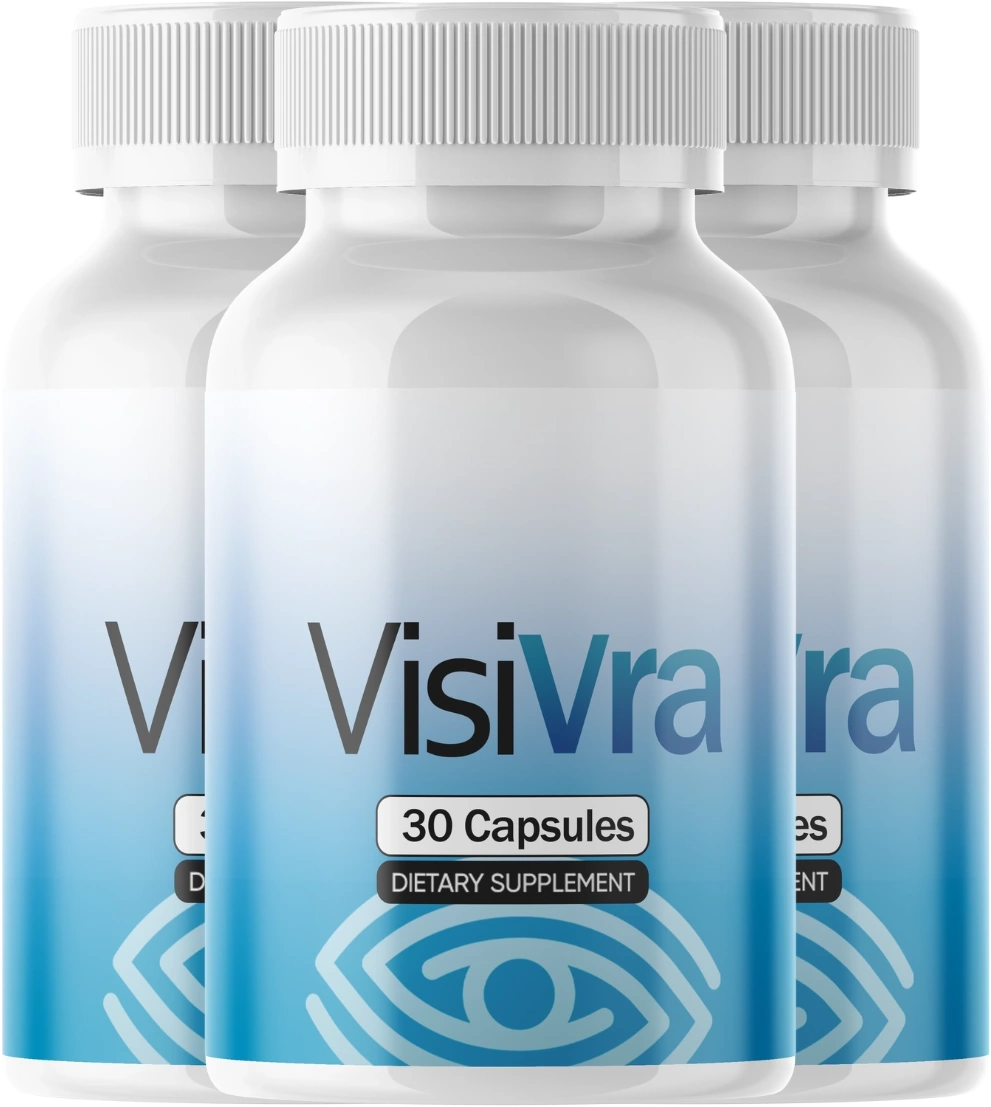
If you are healthy and curious about a daily eye-support capsule, the order page shows the packs and the 60-day guarantee. If you have macular degeneration, ask your eye doctor first.
See today’s price and guaranteeDisclosure: Govisivra earns money when a reader orders through this button. Prices were read from the seller’s page on September 19, 2026.
What are macular supplements?
Macular supplements are capsules, tablets or softgels sold to support the macula. That is the small central area of the retina that handles reading and fine detail. Most of them are built around two carotenoids, lutein and zeaxanthin, sometimes with zinc, vitamins and other extracts.
The idea is that these two pigments sit in the macula, and that eating or taking more of them can raise the density of that pigment. Research does show that carotenoid supplementation raises macular pigment optical density, and that the rise depends on dose.
That is a measurable change. But a change in pigment is not the same as a change in disease or in sight. The distance between those two ideas is where most marketing lives.
What did the AREDS and AREDS2 trials test?
The AREDS trials are the reason this category exists, and the National Eye Institute describes them in plain language. The original trial used a formula with zinc at 80 mg a day and copper at 2 mg, paired on purpose.
AREDS2 changed the formula. It tested lutein at 10 mg and zeaxanthin at 2 mg a day for five years, and it ran a 25 mg zinc arm. It removed beta carotene after the CARET and ATBC trials found more lung cancer among smokers taking it. Its ten-year follow-up put the odds ratio at 1.82.
| Trial detail | What it was |
|---|---|
| Who was enrolled | People with intermediate AMD, or advanced AMD in one eye |
| What was measured | Progression to late disease |
| Lutein | 10 mg a day, five years |
| Zeaxanthin | 2 mg a day, with lutein |
| Zinc | 80 mg with copper 2 mg (AREDS); a 25 mg arm (AREDS2) |
| What it did not show | That healthy eyes see better |
Trial amounts are shown for comparison. Visivra is not these formulas.
The point to take away is the audience. These trials answer a question about people who already have the disease. They do not tell a healthy adult with no eye disease whether a capsule will improve anything.
Do macular supplements work?
For the group studied, the AREDS trials are the best evidence this field has. That is why eye doctors discuss them with patients who have intermediate disease. It is a conversation to have with an eye doctor, with a diagnosis in hand.
For people without retinal disease, the picture is more modest. Trials found improved contrast sensitivity, not improved visual acuity. The letter chart is the wrong instrument for this category.
There is also a note of caution from outside the trials. NCCIH collects the trials where high-dose antioxidant supplements did not deliver, and the Cochrane review on prevention is among the sources we link. Read them directly. They are written for ordinary readers.
So the fair answer to do macular supplements work is: in a defined group, with defined amounts, some benefit was measured. Outside that group, with undefined amounts, we do not know.
Are macular supplements for seniors, women or everyone?
Older adults are who most searches have in mind, since the disease is called age-related macular degeneration. But the AREDS2 volunteers were chosen by their eye findings, not just their age.
Our sources contain nothing that is specific to women. What they do say is that Visivra is for healthy adults aged 18 and over, and not for anyone pregnant or nursing. Beyond that, we make no claim about any group.
If you are a senior, the safest step is a dilated eye exam. If the exam finds intermediate disease, your eye doctor can say whether an AREDS-type formula is right and which one. If it finds nothing, a supplement is an optional extra, not a necessity.
Where does Visivra fit among macular supplements?
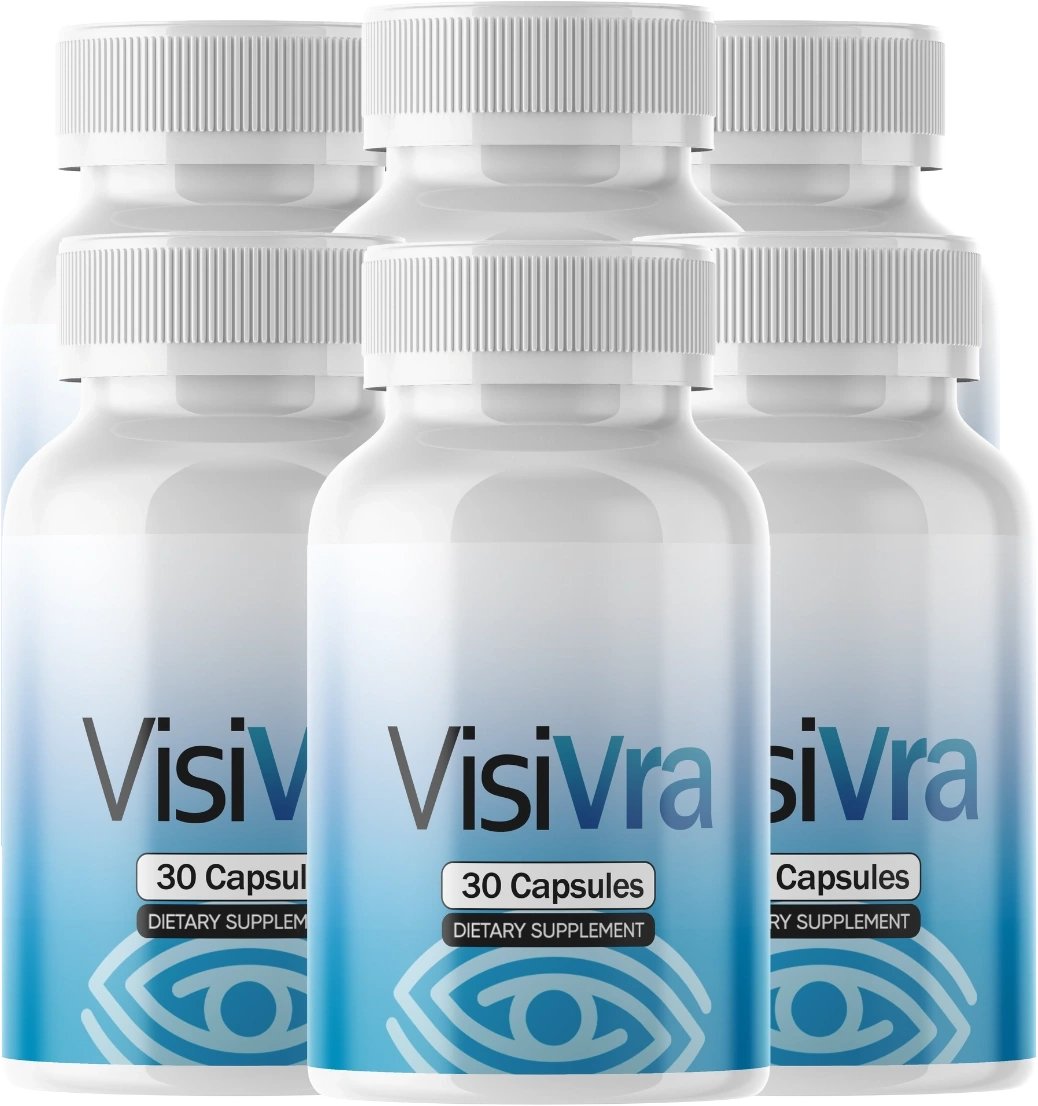
Visivra names lutein, zeaxanthin, bilberry extract, astaxanthin, zinc and vitamin A. It gives no amount for any. So it cannot be set against the AREDS2 amounts, and it is not an AREDS2 formula.
Its label supports four modest statements: visual clarity, healthy retinal function, long-term eye wellness, and help defending the eyes from blue light. It does not treat, prevent or slow macular degeneration, and it does not restore sight that has been lost.
Two safety points carry over from the trials. Zinc is named without copper, and the vitamin A form is not stated. Anyone who smokes or used to should ask about that form first. Anyone already on an AREDS2 product, a multivitamin or a zinc tablet should not add Visivra without asking a doctor.
What about macular supplements in other countries?
Searches for macular supplements in the UK, Australia, New Zealand, or from shops such as Holland and Barrett are common. We have no verified information on products or stockists in those places.
For Visivra, the sources describe a licensed U.S. retail desk and shipping from the US. Delivery terms for other countries are not published. Ask the order desk before buying from abroad.
Frequently asked questions
What are macular supplements?
They are eye formulas, usually built around lutein and zeaxanthin, sold to support the macula, the central part of the retina. Research shows carotenoid supplements raise macular pigment in a dose-dependent way.
Do macular supplements work for macular degeneration?
The AREDS trials measured benefit in people who already had intermediate disease. Talk to your eye doctor. Visivra does not treat, prevent or slow macular degeneration.
Do macular supplements help healthy eyes?
Trials in people free of retinal disease found better contrast sensitivity rather than better acuity. They did not show that healthy eyes see better on the letter chart.
Is Visivra a macular supplement?
It names lutein and zeaxanthin, but it gives no amounts and is not an AREDS2 formula. It is a dietary supplement for healthy adults aged 18 and over.
Are macular supplements safe for seniors?
It depends on the product and the person. Ask about smoking history, existing supplements and the amounts of zinc and vitamin A. Keep scheduled dilated eye exams.
What amounts did AREDS2 use?
Lutein 10 mg and zeaxanthin 2 mg a day for five years, with a 25 mg zinc arm. Visivra gives no figure for any of its actives.
Know what it is, and what it is not
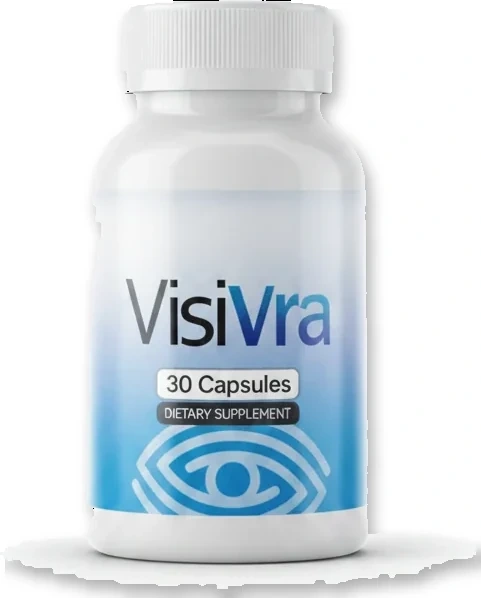
Visivra is a dietary supplement for healthy adults. It names lutein and zeaxanthin, and the order page explains the guarantee behind it.
Two bottles $158 · three bottles $207 · six bottles $294 · 60-day money-back guarantee
See today’s price and guaranteeDisclosure: Govisivra earns money when a reader orders through this button. Prices were read from the seller’s page on September 19, 2026.
Our view
Macular supplements have a real research story, and it is narrower than the shelf suggests. The strongest evidence is for people with existing intermediate disease, in specific amounts, under the eye of an eye doctor.
Visivra sits next to that story, not inside it. It names some of the same ingredients and holds back the numbers. We would keep that distinction clear in your own mind when you read any label.
If you have a macular diagnosis, ask your eye doctor before you buy anything. If you do not, treat the capsule as an optional extra and keep your exam dates.
Visivra is a dietary supplement. It is not a drug and it is not FDA approved, and no supplement is. This page does not treat, cure or prevent any eye disease, and it is not medical advice. If your sight has changed, book an eye exam. Sudden vision loss, new floaters or flashes, or eye pain need same-day care.
Sources named on this site
- The AREDS2 trial
- The CARET trial
- The ATBC trial
- National Eye Institute, the AREDS and AREDS2 trials
- National Eye Institute on age-related macular degeneration
- NCCIH on antioxidants
- The Cochrane review on prevention
- A contrast-sensitivity trial
Keep reading
Last updated