Visivra Official Website › Blog › Visivra Zeaxanthin Amount
What is the Visivra zeaxanthin amount per capsule?
The Visivra zeaxanthin amount is the second blank on a label with six names and no figures. This page shows what the label says, the 2 mg a day that trials gave, and why zeaxanthin is almost always read together with lutein.
Quick answer
The Visivra zeaxanthin amount is not published. The label names zeaxanthin, from Tagetes erecta, and prints no milligram figure. The largest trial gave 2 mg a day beside 10 mg of lutein, a ratio of 1 to 5. Zeaxanthin is almost never studied alone, so the label’s missing pair of numbers matters.
- Zeaxanthin is the second of six named actives, from Tagetes erecta.
- Amount on the label: not printed. Serving size: not printed.
- Trial amount: 2 mg a day, always given beside 10 mg of lutein (1 part to 5).
- It dominates the very centre of the macula, where lutein thins out.
- Almost never studied alone, so its record is shared with lutein.
See the pack and the guarantee
The order page shows the packs and the 60-day guarantee. If you want the zeaxanthin figure first, ring the order desk before you buy.
See today’s price and guaranteeDisclosure: Govisivra earns money when a reader orders through this button. Prices were read from the seller’s page on September 19, 2026.
What is the Visivra zeaxanthin amount on the label?
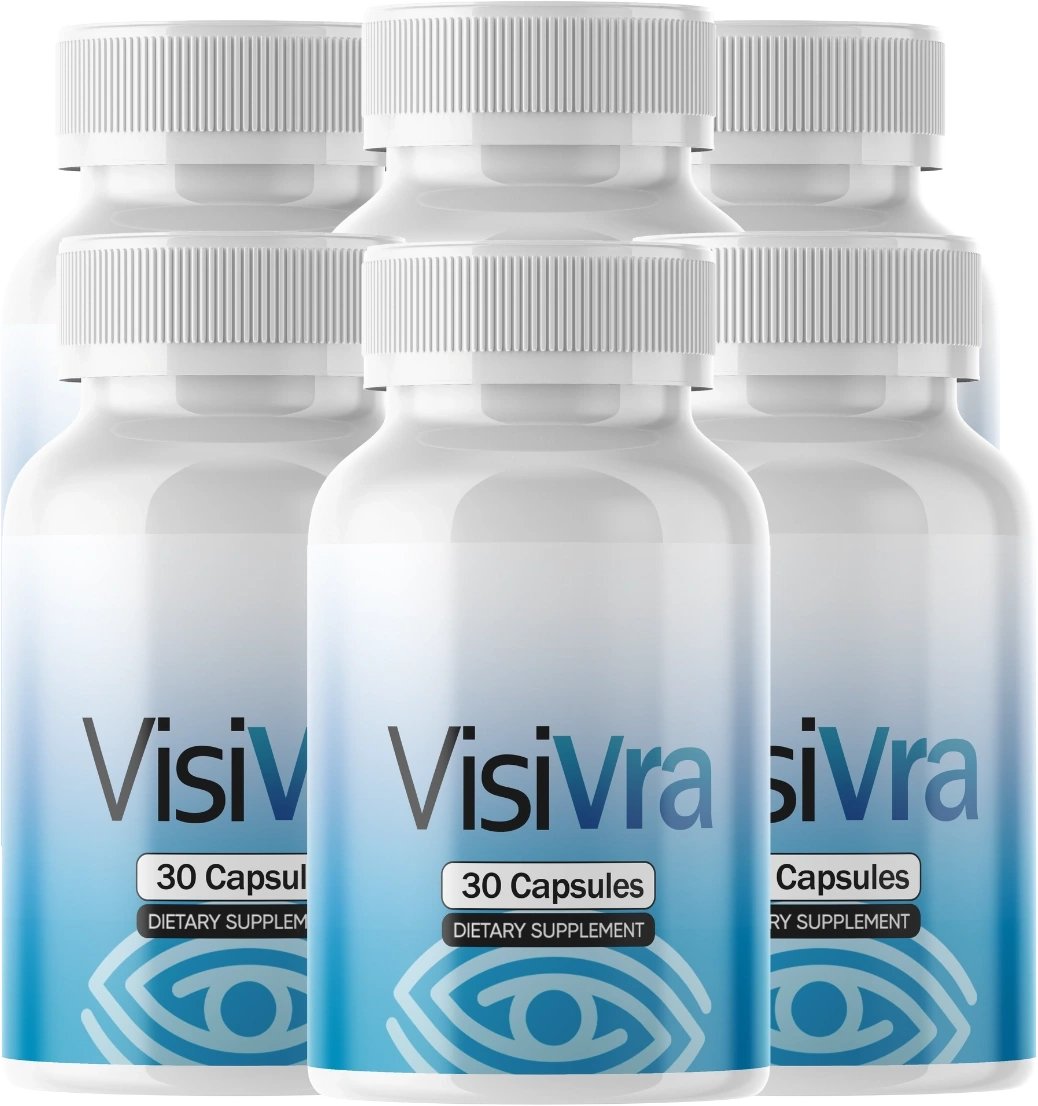
There is no amount. The label names zeaxanthin as the second of six actives, and the vendor tile adds that it comes from Tagetes erecta, the marigold plant. No milligram figure appears on the bottle, the tile or the seller’s page. There is no serving size either.
That puts zeaxanthin in the same position as the other five names. It is a word with no number beside it. The only thing you can say for certain is that the pair of pigments, lutein and zeaxanthin, are both named.
What zeaxanthin amount did trials use, next to the Visivra zeaxanthin amount?
The largest trial cited on this website gave 2 mg of zeaxanthin a day. It did so alongside 10 mg of lutein, for five years. That is one part zeaxanthin to five parts lutein, or a ratio of 1 to 5.
| Item | Figure |
|---|---|
| Zeaxanthin on the Visivra label | Not published |
| Lutein on the Visivra label | Not published |
| Zeaxanthin in the largest trial | 2 mg a day |
| Lutein beside it | 10 mg a day |
| Ratio in that trial | 1 part to 5 |
| Length of that trial | Five years (1,825 days) |
The trial volunteers already had an intermediate eye condition. Visivra is a different product and inherits none of the findings.
Why is the Visivra zeaxanthin amount hard to judge on its own?
Because zeaxanthin is almost never given alone. In the big trial it always came with lutein. A 2014 meta-analysis treats the two together for that reason. So most of what is known about zeaxanthin is really known about the pair.
That has a practical result. Even if you learned the Visivra zeaxanthin amount, you could not read it without the lutein amount next to it. A number for one without the other tells you very little about the ratio.
Our post on macular supplements with lutein and zeaxanthin explains the partnership in more detail, and the ingredients page lists both.
Does the Visivra zeaxanthin amount change the result?
A dose comparison in people with high myopia suggests it can. The pigment response there tracked the amount of zeaxanthin given. In plain words, more zeaxanthin gave more pigment, within the range tested.
That is a small study in a specific group, so it should not be stretched. But it explains why the amount matters, and why a label that gives no amount leaves open a question that a dose-response study would answer.
Where does zeaxanthin sit in the eye, and why does the amount matter there?
Zeaxanthin dominates the very centre of the macula, where lutein thins out. Lutein is found more in the outer parts. The macula is built from both, which is why the category pairs them.
What trials in healthy eyes measured was contrast sensitivity and macular pigment density. It was not the letter chart. A pigment layer builds over months, so the amount you take matters less on any single day and more across the whole course.
Is there a safety limit for the Visivra zeaxanthin amount?
None is set. Zeaxanthin was studied alongside lutein and shows the same quiet picture as lutein. Very high carotenoid intake over months can tint the palms and soles yellow-orange. That is harmless and it reverses.
Zeaxanthin is fat-soluble. A controlled feeding study found carotenoid absorption rose with the oil eaten alongside it. So the routine is one capsule a day with a meal that has some fat in it.
Visivra is for adults aged 18 and over, not for anyone pregnant or nursing. Talk to your doctor before you start. To ask for the figure, ring the order desk on +1 (323) 347-4522. It can pass your question to the manufacturer.
Frequently asked questions
What is the Visivra zeaxanthin amount?
It is not published. The label names zeaxanthin and prints no milligram figure or serving size.
How much zeaxanthin did the trials use?
The largest trial gave 2 mg a day beside 10 mg of lutein, for five years. That is a ratio of 1 to 5.
Why is zeaxanthin always paired with lutein?
Because trials almost never test it alone. A 2014 meta-analysis treats the two together. Zeaxanthin sits mostly in the centre of the macula and lutein in the outer parts.
Does Visivra have the same ratio as the trial?
We cannot say. Neither the lutein nor the zeaxanthin amount is published, so the ratio is unknown.
Where does the zeaxanthin in Visivra come from?
The vendor tile says Tagetes erecta, the marigold plant.
Should I take it with food?
Yes, with a meal that has some fat. Zeaxanthin is fat-soluble and absorption rises with fat.
Give the pair a fair stretch of time
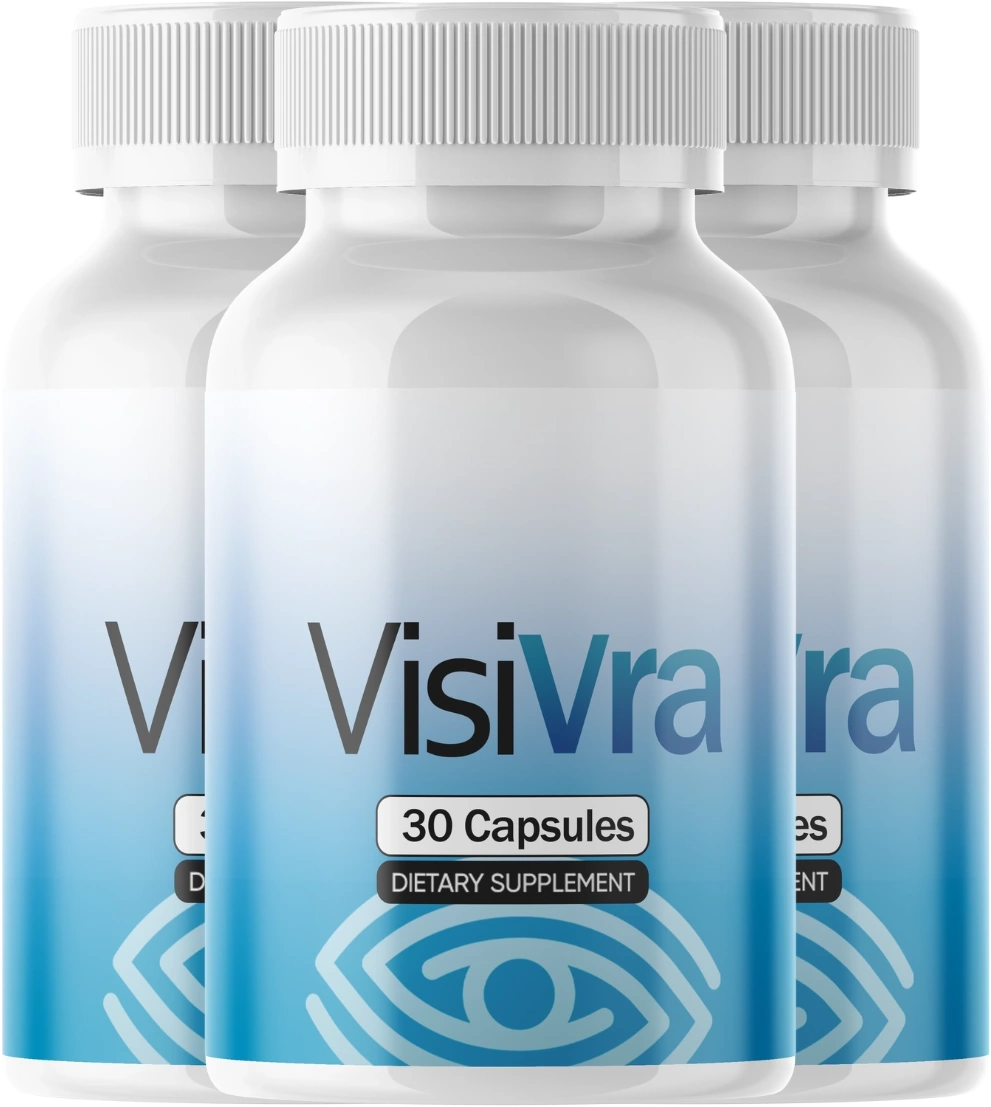
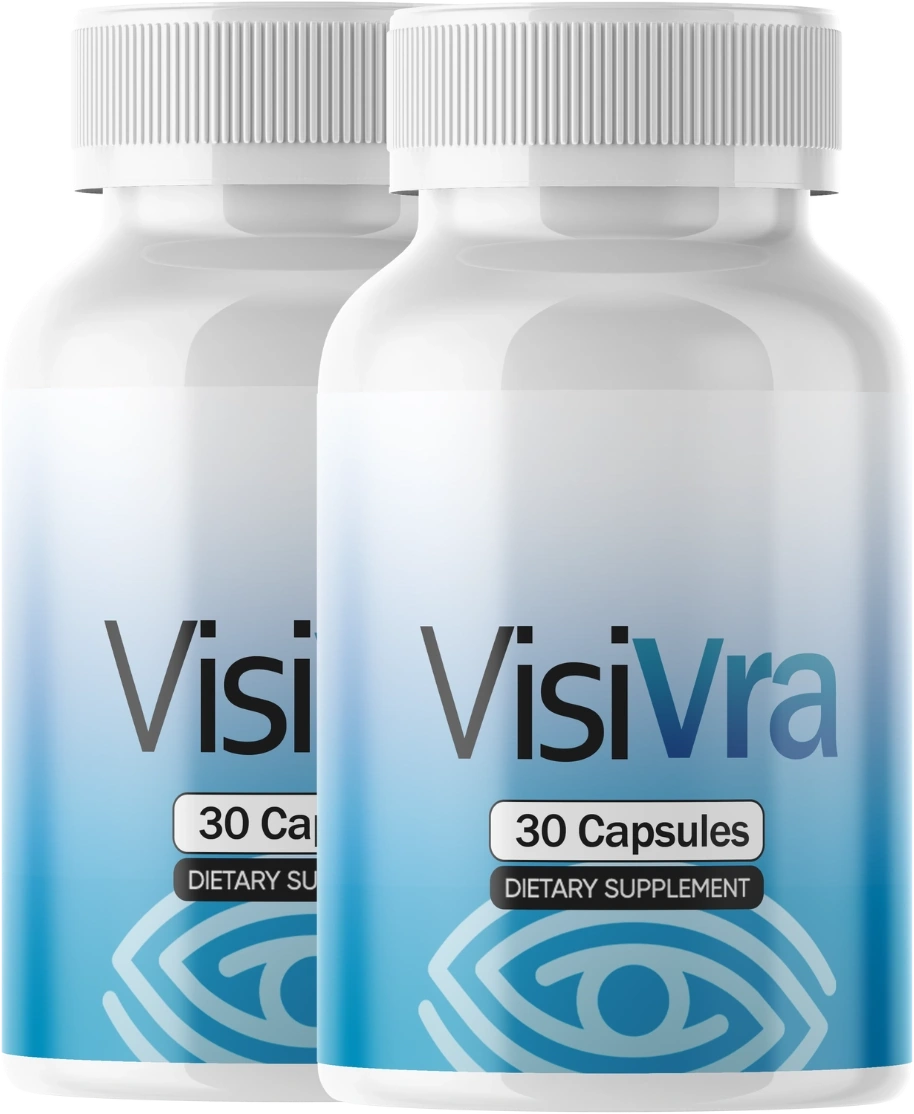
Macular pigment builds over months. Two bottles cover 60 days, three cover 90 and six cover 180.
Two bottles $158 · three bottles $207 · six bottles $294 · 60-day money-back guarantee
See today’s price and guaranteeDisclosure: Govisivra earns money when a reader orders through this button. Prices were read from the seller’s page on September 19, 2026.
Our view
On Visivra zeaxanthin amount, our view is short. Zeaxanthin is the quieter half of the pair, and it is easy to skip past. On this label it has no number, just like its partner.
We would ask for both figures together. One without the other is hard to use. Until they are published, the 2 mg and 10 mg of the trials are a ruler to hold against a future label, not a reading of this bottle.
Visivra is a dietary supplement. It is not a drug and it is not FDA approved, and no supplement is. This page does not treat, cure or prevent any eye disease, and it is not medical advice. Talk to your doctor before you start a supplement, especially if you take other medicines. If your sight has changed, book an eye exam. Sudden vision loss, new floaters or flashes, or eye pain need same-day care.
Sources named on this site
Keep reading
Last updated